Mastering the Art of Informed Sports Betting Decisions
Written by Tina Butler · Sep 23, 2026

Betting Tips and Global Data Patterns in Modern Wagering
Betting tips draw from statistical models, historical performance records, and current market conditions that analysts compile to guide wagering decisions in various sports and events, and observers note these resources appear across digital platforms that aggregate information from multiple regions. Data shows that bettors often consult such tips to identify value in odds offered by licensed operators, while regulatory frameworks in different countries shape how these insights reach the public.
Core Components Behind Reliable Betting Tips
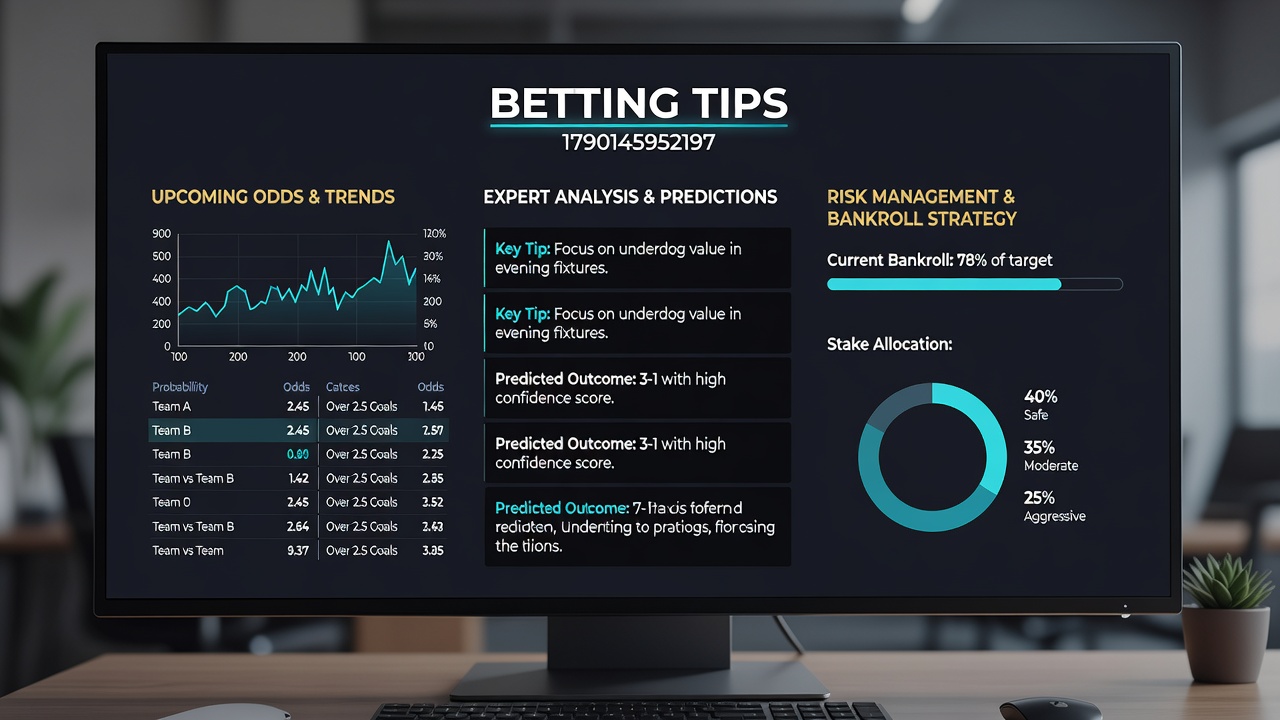
Researchers have identified several consistent elements that contribute to the creation of betting tips, including team or player statistics, injury reports, weather impacts on outdoor events, and head-to-head records that stretch across multiple seasons. Those who study these patterns frequently combine quantitative data with qualitative factors such as motivation levels and travel schedules, yet the process remains grounded in verifiable information rather than speculation. In September 2026 figures from international sources continue to highlight how volume of wagers correlates with major tournaments, prompting tip providers to adjust their focus accordingly.
Analysts at academic institutions and industry research groups examine large datasets to refine prediction methods, and one study revealed connections between betting volumes and specific leagues that operate under strict oversight. People who review these findings often discover that transparent methodologies help distinguish credible tips from promotional content, especially when sources cite primary records from event organizers.
Regulatory Influences on Tip Distribution
Government agencies outside the United Kingdom maintain oversight of how betting tips circulate, with the Nevada Gaming Control Board publishing periodic summaries that detail sports wagering activity and associated compliance requirements. These reports indicate operators must ensure promotional materials, including tips, align with responsible gaming standards that limit targeting of vulnerable groups. Similar structures exist in other jurisdictions where licensing bodies review content before distribution through approved channels.
Industry organizations such as the American Gaming Association compile broader trends that show how digital platforms deliver tips alongside live odds updates, and data from these groups reveal steady growth in mobile access during peak seasons. Observers note that cross-border differences in rules affect the types of tips available, with some markets restricting certain predictive features while others permit detailed statistical breakdowns.
Application Across Different Sports and Regions
Betting tips extend beyond football to encompass horse racing, basketball, tennis, and esports where data sets vary in complexity and update frequency. In Australia the Australian Gambling Research Centre has documented how punters use tips structured around track conditions and jockey statistics, while Canadian provincial regulators track similar patterns in hockey and other winter sports. Those patterns demonstrate that localized knowledge often enhances the utility of tips when combined with broader statistical models.
Examples from licensed markets show tip providers incorporating real-time variables such as line movements and public betting percentages, and these adjustments help users identify potential discrepancies in offered odds. Research indicates that consistent application of such methods appears more common among individuals who maintain records of past outcomes rather than relying on single sources.
Technological Tools Supporting Tip Accuracy
Software platforms aggregate live data feeds and historical archives to generate updated tips, and developers integrate machine learning techniques that process thousands of variables simultaneously. Observers have noted that these systems reduce manual errors while still requiring human review for contextual factors that algorithms might overlook. As of September 2026 several operators report expanded use of such tools to meet demand during international competitions.
Users access these resources through secure applications that comply with regional data protection rules, and the integration of multiple data streams allows for more nuanced recommendations across different bet types. Studies from research institutions continue to evaluate the effectiveness of these technologies in controlled settings.
Conclusion
Betting tips function as informational resources shaped by statistical analysis, regulatory requirements, and technological capabilities that operate within distinct legal environments worldwide. Information from bodies such as the Nevada Gaming Control Board and the Australian Gambling Research Centre provides context for how these tools evolve alongside market changes. Those who engage with tips benefit from cross-referencing multiple sources and understanding the underlying data that supports each recommendation.